
Using Tissue Culture to Prevent HLVd
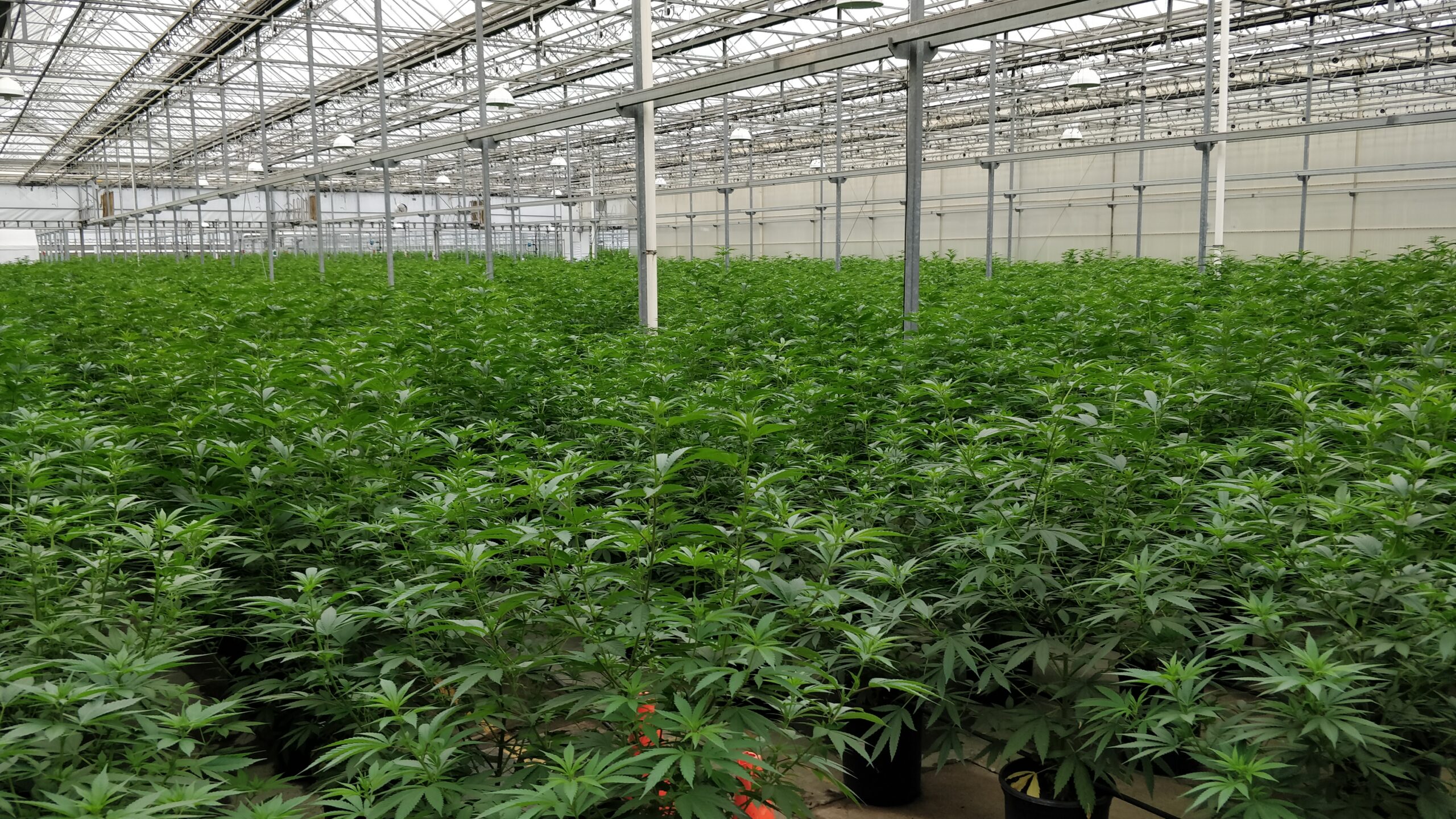
Hop Latent Viroid (HLVd) can spread silently through cannabis cultivation facilities, reducing plant vigor, yield and quality. Learn how tissue culture, combined with contamination prevention practices and routine HLVd testing, can establish disease-free mother plants and help protect valuable genetics and grows.

CO₂ Enrichment in Plant Growth and Cell Culture Research
This resource article explains the benefits of CO2 enrichment for two major controlled-environment research applications: plant growth and mammalian cell culture. While the biological mechanisms differ between plants and mammalian cells, CO2 enrichment is integral in both research applications for achieving reproducible, high-quality experiment results. Within this resource, Percival Scientific also offers guidelines for use of additive CO2 within these applications.
Percival's Commitment to Low-GWP Refrigerant
As part of an effort to continue to advance sustainable refrigeration solutions for plant growth chamber and controlled environment research, and as part of a proactive measure in response to evolving U.S. environmental regulations and industry requirements, select chambers are configurable with low global warming potential (GWP) refrigerant. This is part of our broader commitment to:
- - Ongoing regulatory readiness
- - Environmental responsibility and sustainable solutions
- - Long-term serviceability and support for research facilities and production growers
Our refrigeration approach is configured to meet certain GWP < 300 class requirements applicable to impacted equipment categories, and support customers as the market transitions to lower-impact refrigerants. Throughout this work, we’ve focused on maintaining the operational standards our customers rely upon—temperature uniformity, reliability, and uptime—while meeting the expectations of the technology transition.
These configurations are available for applicable equipment categories. If you’re planning a new installation, our team can help you evaluate configurations that meet performance and environmental requirements.


The Detrimental Impact of High-Speed Airflow in CEA
This report explains the importance of minimizing air speed that helps reduce mechanical stress while maintaining temperature uniformity. Read these best practices designed for vertical farming manufacturers, growers and producers.
Balancing for Success: Optimizing CO₂, Light, and Temperature
This report by David Imberti, mathematical modeler and software developer at Percival Scientific, shares his research and insights during a panel discussion at Indoor Ag-Con 2024 – “Balancing for Success: Optimizing CO2, Light, and Temperature.”


Setting the Standard in Chamber Testing
This report explains the extensive testing protocol Percival Scientific uses to ensure that our customers’ chambers can achieve the desired specifications for their unique research needs. We follow one simple rule: If it doesn’t pass, it doesn’t ship.
Hydroponics System Comparison
This study compared two hydroponic systems for use in Percival Scientific’s research chambers. The goal was to mimic commercial production conditions for leafy greens using tower hydroponics and the nutrient film technique (NFT). After an in-depth analysis, the report concludes that the NFT system is the most suitable for manufacturing and consumer use in research chambers because it is precise and easily manufactured with stainless steel components.


Factors Affecting Petri Dish Condensation in Tissue Culture Chambers
This investigation studied the effects of infrared lighting, light intensity, and stacking, as well as constant and varied temperature between the day and night cycle inside tissue culture chambers. The report summarizes the best ways to reduce condensation in tissue culture chambers.
Effect of Supplemental Far-Red Light on Lettuce and Arabidopsis
This report summarizes an investigation of the impact of supplemental far-red light on lettuce and Arabidopsis in a controlled environment setting. Internal experiments revealed positive effects of leaf size and harvest weights at specific red-to-far-red ratios, but caution is advised for leafy greens due to potential undesirable morphological changes.


LED Spectra in Plant Growth
Use this general summary to learn how LED spectra affect plant growth and health. It’s a great tool for determining the best controlled-environment uses for particular spectrums, including violet, blue, green, orange, deep red and far-red.